
Uncategorized
Pakistani Sharara Suit Design | Trends | Tips
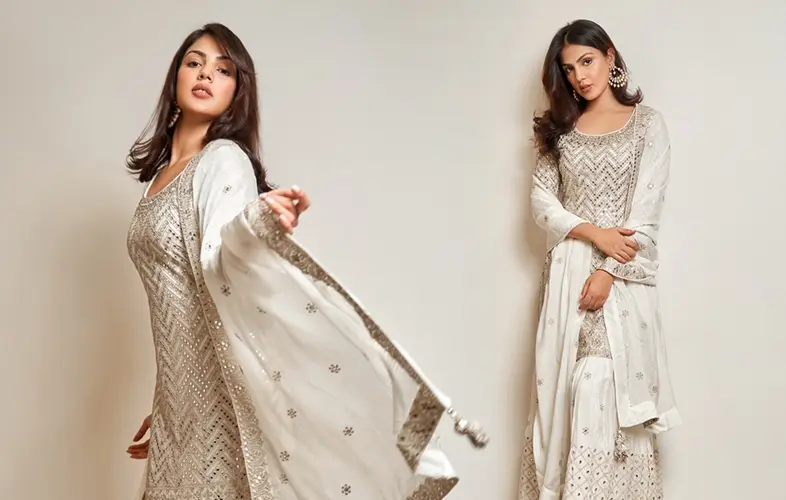
The sharara suit, a timeless ensemble in Pakistani fashion, continues to captivate with its elegance and versatility. Characterized by its flared pants and intricately designed tops, the sharara suit is a staple for weddings, festivals, and formal gatherings.
Table of Contents
The Evolution of Sharara Dress Design
Originating from the Mughal era, sharara suits traditionally consist of a pair of wide-legged pants, a short kameez, and a dupatta. Over the years, designers have reimagined this attire, introducing modern cuts, fabrics, and embellishments. In 2025, the fusion of tradition and innovation continues to define Sharara dress designs.
Understanding the Sharara Suit
A traditional sharara suit comprises three main components:
- Sharara Pants:
Wide-legged trousers that flare out from the knee, often adorned with embroidery or embellishments. - Kameez or Kurti:
A tunic-style top that can vary in length and design, complementing the sharara pants. - Dupatta:
A matching or contrasting scarf that adds grace to the overall attire.
This ensemble is celebrated for its ability to blend traditional aesthetics with contemporary fashion elements.
Current Trends in Pakistani Sharara Suit Designs
1. Embroidered Designs
Intricate embroidery remains a hallmark of sharara suits. Designs featuring zari, sequins, and threadwork are popular choices for formal events. These embellishments add depth and richness to the outfit, making it suitable for weddings and festive occasions.
2. Pastel Palettes
Soft hues like blush pink, mint green, and lavender are gaining popularity. These colors exude a subtle charm and are ideal for daytime events or summer weddings.
3. Fusion Styles
Modern designers are experimenting with fusion styles, combining traditional sharara elements with contemporary cuts. For instance, pairing sharara pants with peplum tops or asymmetrical kurtis offers a fresh take on the classic ensemble.
4. Layered Looks
Layering adds dimension to the sharara suit. Incorporating jackets or capes over the traditional outfit not only enhances its visual appeal but also provides versatility for different occasions.
5. Fabric Choices
Fabrics like georgette, chiffon, and silk are preferred for their flow and drape. These materials lend a graceful movement to the sharara pants and ensure comfort during extended wear.
See >>> Sharara Unstitched Dresses
Available online across Pakistan at Ittefaq Cloth House.
Styling Tips for Sharara Suits
- Occasion Appropriateness:
Opt for heavily embellished sharara suits for weddings and simpler designs for casual gatherings. - Accessorizing:
Pair your outfit with statement jewelry, such as jhumkas or chokers, to enhance its traditional appeal. - Footwear:
Heeled sandals or traditional juttis complement the sharara suit, adding elegance to the overall look. - Dupatta Draping:
Experiment with different draping styles to add a unique touch to your ensemble. - Pay Attention to Embellishments:
Embroidery, beadwork, and sequins can enhance the beauty of the Sharara suit. Choose embellishments that align with the occasion and your taste. Avoid over-embellishment if you prefer a more understated look.
Choosing the Right Sharara Suit
When selecting a sharara suit, consider the following:
- Body Type:
Choose cuts and styles that flatter your body shape. For instance, taller individuals can opt for longer kurtis, while shorter individuals might prefer shorter tops to create a balanced silhouette. - Color Coordination:
Ensure that the colors of the sharara pants, kameez, and dupatta complement each other. Monochromatic schemes or contrasting combinations can both be effective when done thoughtfully. - Fabric Suitability:
Select fabrics that are appropriate for the season and occasion. Lightweight materials are ideal for summer events, while richer fabrics like velvet are suitable for winter gatherings. - Consider the Occasion:
The formality of the event dictates the fabric, embellishment, and overall style. For weddings, heavier fabrics and intricate work are suitable. For parties, lighter options with contemporary designs work well. - Focus on Fit and Comfort:
Ensure the kurti and Sharara pants fit well. The Sharara should allow for comfortable movement. Ill-fitting clothes can detract from the overall look.
Conclusion
The sharara suit remains a cherished ensemble in Pakistani fashion, seamlessly blending tradition with contemporary trends. By staying informed about current designs and styling tips, you can select a sharara suit that not only complements your personal style but also suits the occasion perfectly.
FAQs
What exactly is a Sharara dress?
A Sharara dress typically consists of a kurti (top), flared pants (Sharara), and a dupatta (scarf). The Sharara pants are fitted at the waist and flare out dramatically from the knee downwards
Can I wear a sharara suit to a formal event?
Yes, sharara suits are suitable for formal events, especially when adorned with intricate embroidery and paired with elegant accessories.
How do I maintain the quality of my sharara suit?
Dry cleaning is recommended for embellished sharara suits to preserve the fabric and embroidery.
Are sharara suits suitable for all body types?
Yes, with the right cut and styling, sharara suits can flatter various body types.
Can I wear a frock with Sharara pants?
Yes, pairing a frock-style kurti with Sharara pants is a popular and stylish variation. This combination offers a different silhouette compared to a traditional kurti.
What kind of footwear looks best with a Sharara suit?
Heels are a common choice as they complement the flared pants and add height. However, embellished flats or traditional khussas can also look elegant and offer more comfort.
