
Uncategorized
What is Slub Fabric?

Jan
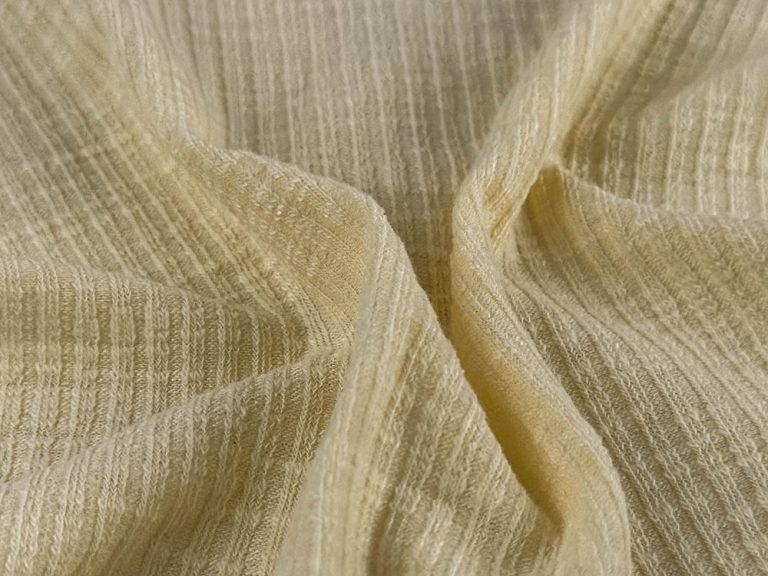
Ever wonder what is Slub fabric? Slub fabric is a type of textile that features an uneven texture, achieved by incorporating thicker or raised threads throughout the material. This irregularity creates a natural and distinctive appearance, which has made slub fabric increasingly popular in modern fashion. Commonly crafted from cotton, slub fabric is also produced using materials such as linen, silk, wool, and synthetic fibers.
In Urdu, slub fabric meaning translates to “Ghair Musawir Dhage Wala Kapra,” highlighting its irregular thread pattern.
In Pakistan, slub fabric is particularly valued for its lightweight and breathable qualities, making it a preferred choice for casual and everyday wear. The fabric’s unique look and versatility have cemented its place in the world of textiles.
Table of Contents
What is Slub Fabric Made Of?
The production of slub fabric begins with yarn that is intentionally twisted unevenly or made using threads of varying thickness. The most commonly used material for creating slub fabric is cotton, which lends itself well to the desired texture. Other natural materials like linen and silk are also used, though they are less common for garments due to their higher cost.
Modern manufacturing techniques allow for precise control of slub placement, enabling designers to create fabrics with consistent patterns and textures. This has made slub fabric more affordable and accessible while preserving its handcrafted appearance.
Characteristics of Slub Fabric
Slub fabric is defined by several distinguishing features, which contribute to its popularity:
1. Uneven Texture
The fabric’s lumpy or ridged texture is a defining characteristic. These irregularities give slub fabric a unique, organic feel, making each piece distinct.
2. Stretchiness
Slub fabric, particularly when knit, tends to be stretchier than woven fabrics. Single-knit slub fabrics are more elastic, while double-knit options hold their shape better due to their tighter construction.
3. Lightweight and Airy
One of the reasons slub fabric is widely used in Pakistan is its breathability. It is ideal for hot and humid climates, providing comfort without clinging to the body.
4. Heathered Appearance
Slub fabric often has a heathered finish, where the slubs take on a slightly different shade than the rest of the material. This subtle color variation enhances its visual appeal.
What is Slub Fabric Used For?
Slub fabric has a wide range of applications, especially in the fashion industry. Its lightweight and textured properties make it ideal for casual and semi-formal wear.
- T-Shirts: Slub fabric is frequently used to make t-shirts, as its breathability and texture create a comfortable and stylish garment.
- Casual Dresses: Dresses made from slub fabric are perfect for daytime wear due to their relaxed fit and lightweight feel.
- Sweatshirts and Pants: The fabric’s stretch and softness make it suitable for loungewear, such as sweatshirts and joggers.
- Tunic Tops: In Pakistan, slub fabric is often used for tunic tops paired with trousers or jeans for a modern look.
See Slub Fabric Women Dress Designs at Ittefaq Cloth House.
History of Slub Fabric
Historically, slubs were considered imperfections in textiles, as hand-spun threads would naturally have uneven thicknesses. During the pre-industrial era, these flaws were either removed or discarded, as smooth and consistent fabrics were preferred.
With the advent of industrial weaving, manufacturers began to intentionally include slubs in the fabric to give it a handmade, vintage appearance. Today, the texture of slub fabric is celebrated for its artistic appeal, with designers using it to create stylish and contemporary garments.
Slub Fabric Care Instructions
Proper care is essential to maintain the quality of slub fabric and prolong its lifespan. Follow these guidelines for optimal results:
1. Gentle Washing
Use a mild detergent and opt for the shortest gentle cycle when washing slub fabric. Hand washing is also a good option, especially for delicate items.
2. Avoid High Heat
High temperatures can shrink slub fabric, particularly if it is made from cotton. Air drying is recommended, but if using a dryer, set it to low heat and remove the fabric while still damp.
3. Stretch to Shape
If the fabric shrinks slightly, wet it again and gently stretch it back to its original shape before letting it air dry.
4. Check Care Labels
Always follow the care instructions on the garment label to ensure proper handling. These labels provide specific washing and drying guidelines based on the fabric composition.
What is Slub Fabric Season?
Slub fabric season is typically spring and summer due to its breathable and lightweight nature. It is ideal for casual outings, daily wear, and relaxed events where comfort is a priority. However, thicker slub fabrics, such as those used in sweatshirts, can also be worn in cooler weather.
Conclusion
Slub fabric is a testament to the beauty of imperfection in textiles. With its irregular texture, breathability, and versatility, it has become a favorite in Pakistani fashion for casual and semi-formal wear. From lightweight summer t-shirts to comfortable tunic tops, slub fabric offers a perfect blend of style and practicality.
Understanding its characteristics, uses, and care instructions ensures you can make the most of this unique material, adding comfort and elegance to your wardrobe.
